Rabies is a viral disease that affects mammals, including dogs and people. It is transmitted through saliva, most commonly through a bite or scratch from an infected animal. Once clinical symptoms appear, rabies is fatal, which is why prevention and prompt medical attention after a possible exposure are essential.
Vaccinating dogs helps control the disease at its source. It protects individual animals and, when carried out consistently across an area, reduces the risk of transmission within the dog population and to people.
Why Dog Vaccination Matters
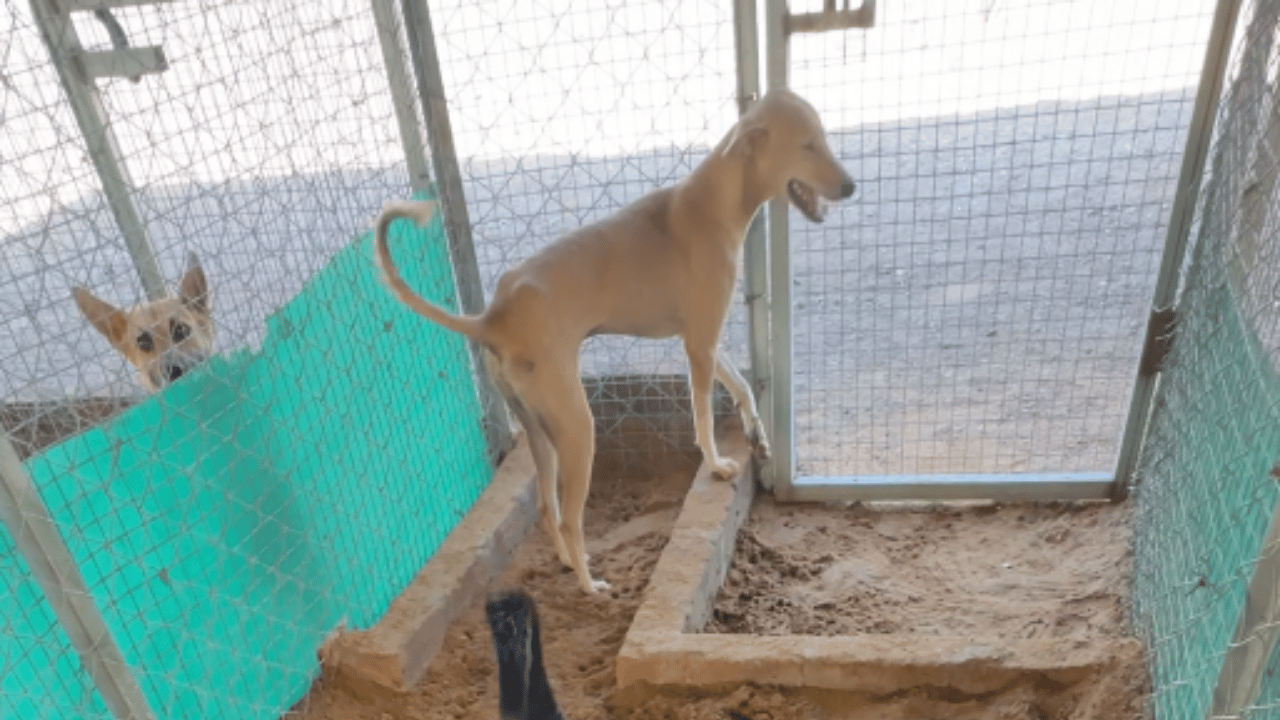
Community dogs live in the same neighbourhoods as families, shopkeepers, workers and children. Their health is therefore connected to public health. A planned vaccination programme reduces the number of dogs vulnerable to rabies and helps limit the opportunities for the virus to spread.
Vaccinating one dog is useful, but rabies control requires organised and repeated coverage. Dogs move, puppies are born and immunity must be maintained according to the vaccine schedule advised by veterinary authorities. A single drive should not be presented as a permanent solution.
Rabies vaccination is also different from treatment. A vaccine is given to a healthy animal to build protection before exposure. An animal showing unusual neurological signs or suspected of rabies must be handled only through the appropriate veterinary and government procedure.
What a Responsible Drive Requires
A vaccination drive begins with planning. The team needs to understand the area, estimate the number of dogs, arrange trained handlers and veterinary personnel, maintain the vaccine at the required temperature and record which animals have been covered.
Local residents often know where community dogs rest, which animals are approachable and whether new dogs or puppies have appeared. This information can help the team work more safely and avoid missing animals that are difficult to locate.
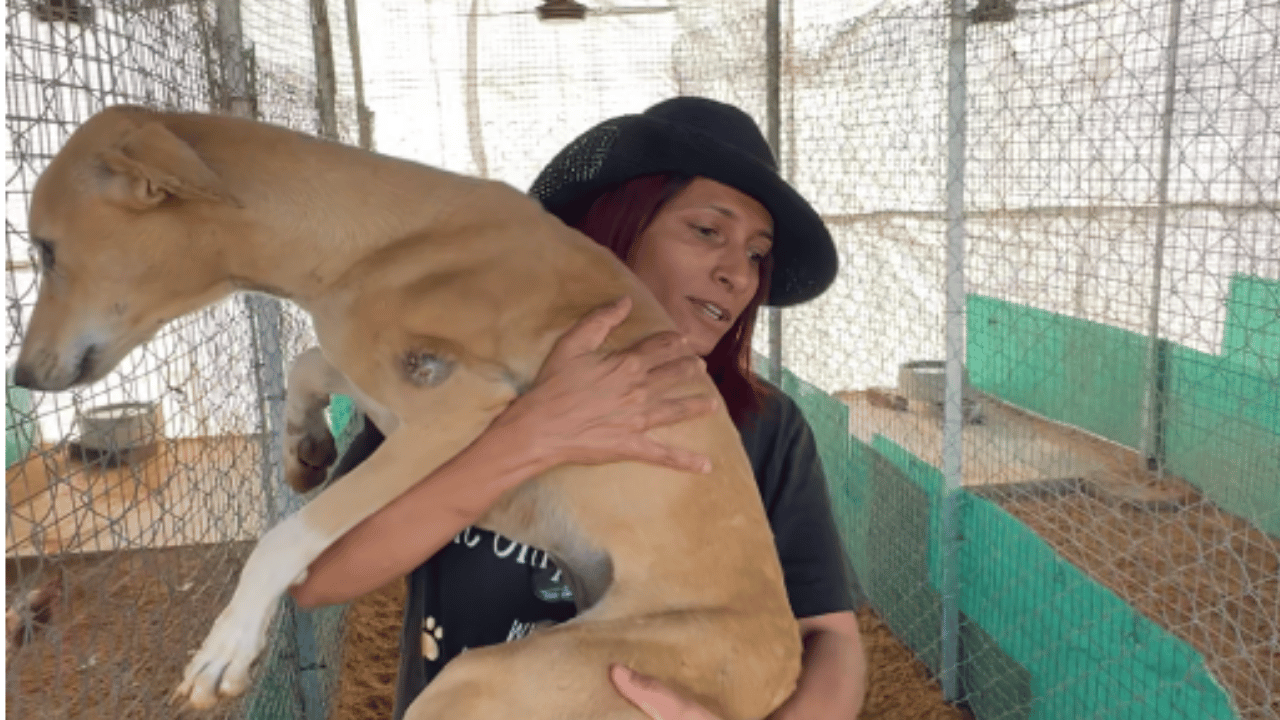
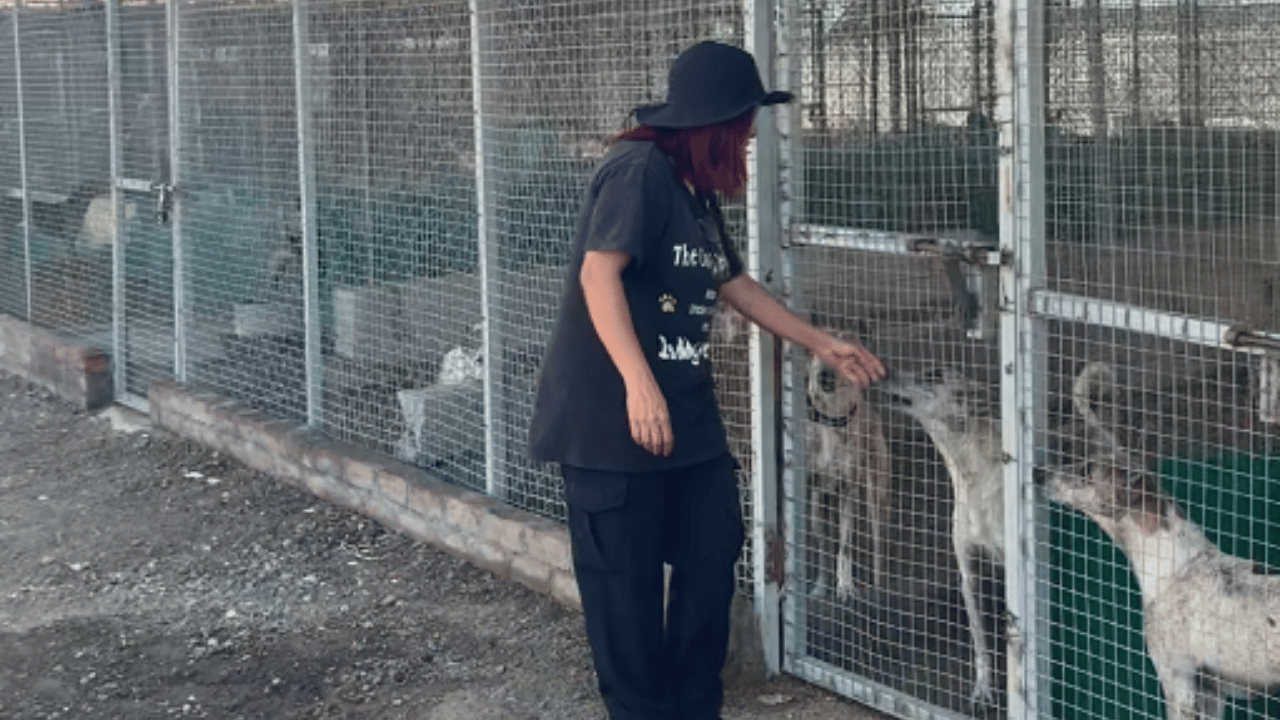
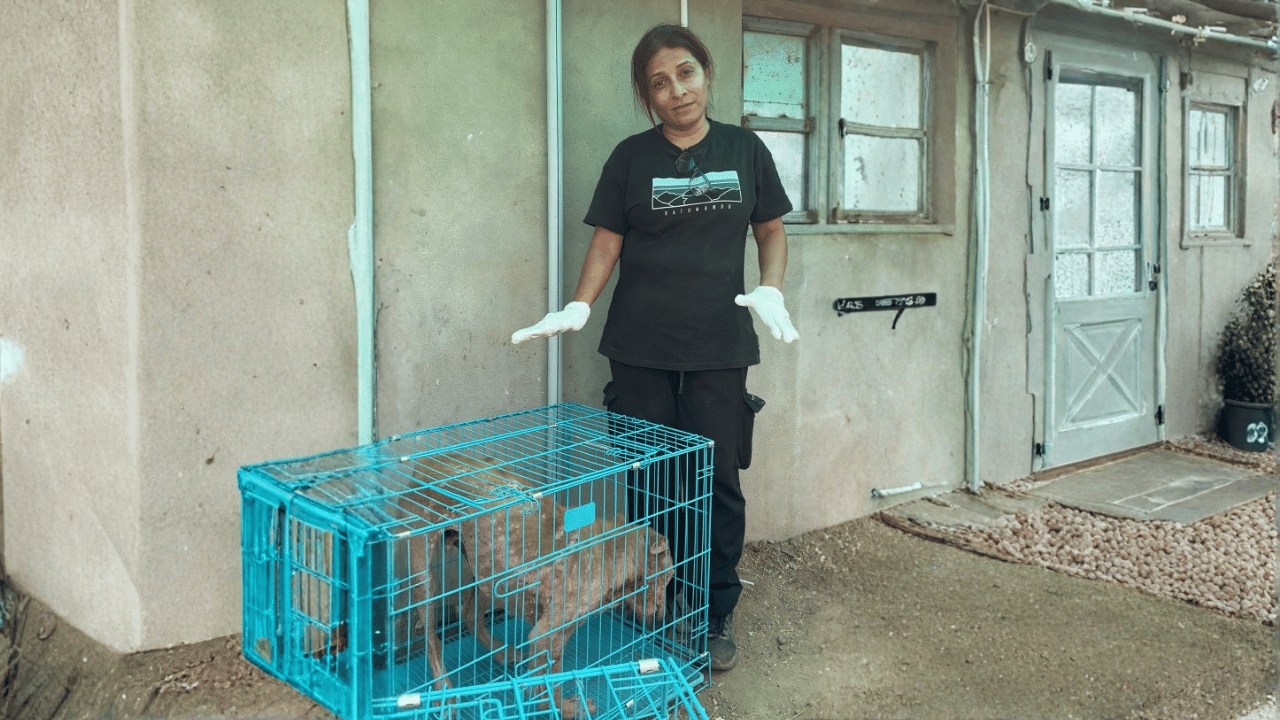
Handling should be calm and appropriate to the animal. Chasing or cornering a frightened dog can increase stress and the risk of injury. Dogs that cannot be approached safely may require trained catching support rather than intervention by members of the public.
Identification and Records
Vaccination records are important because they help teams understand when and where an animal was vaccinated and when follow-up may be due. The method of identification can vary according to the programme and local procedure.
Clear records also prevent unnecessary repeat handling and make future drives easier to plan. Where possible, the date, location, vaccine details and basic description of the animal should be recorded by the authorised team.
Vaccination and Animal Birth Control
Rabies vaccination and Animal Birth Control serve different purposes. Vaccination protects against rabies. Sterilisation helps manage the community dog population humanely over time. These activities may be coordinated, but one does not replace the other.
A responsible community programme may include vaccination, sterilisation, treatment of injured animals, records and public information. Each part requires suitable personnel and must follow the procedures applicable in that area.
If Someone Is Bitten or Scratched
A dog’s vaccination status should never be used as a reason to delay medical advice after a bite or scratch. The World Health Organization advises washing the wound thoroughly with soap and water for at least 15 minutes and seeking medical care immediately for assessment and post-exposure treatment.
Do not apply irritants to the wound or rely on home remedies. A qualified medical professional must decide whether rabies vaccine and rabies immunoglobulin are required. Prompt action matters even when the wound appears minor.
The animal should not be harmed or handled by untrained people. The incident should be reported to the relevant municipal, veterinary or animal-welfare authority so that the animal can be assessed and the correct procedure followed.
How Residents Can Assist
Residents can help by sharing accurate locations, informing the team about dogs that are difficult to approach and keeping the vaccination area calm. They can also note the details provided after vaccination and inform the authorised team when new dogs or puppies appear.
People should avoid spreading unverified messages about an animal’s behaviour or health. Fear and misinformation can lead to unsafe responses. Concerns should be reported with the location, time and a clear description of what was observed.
Supporting Vaccination Activity
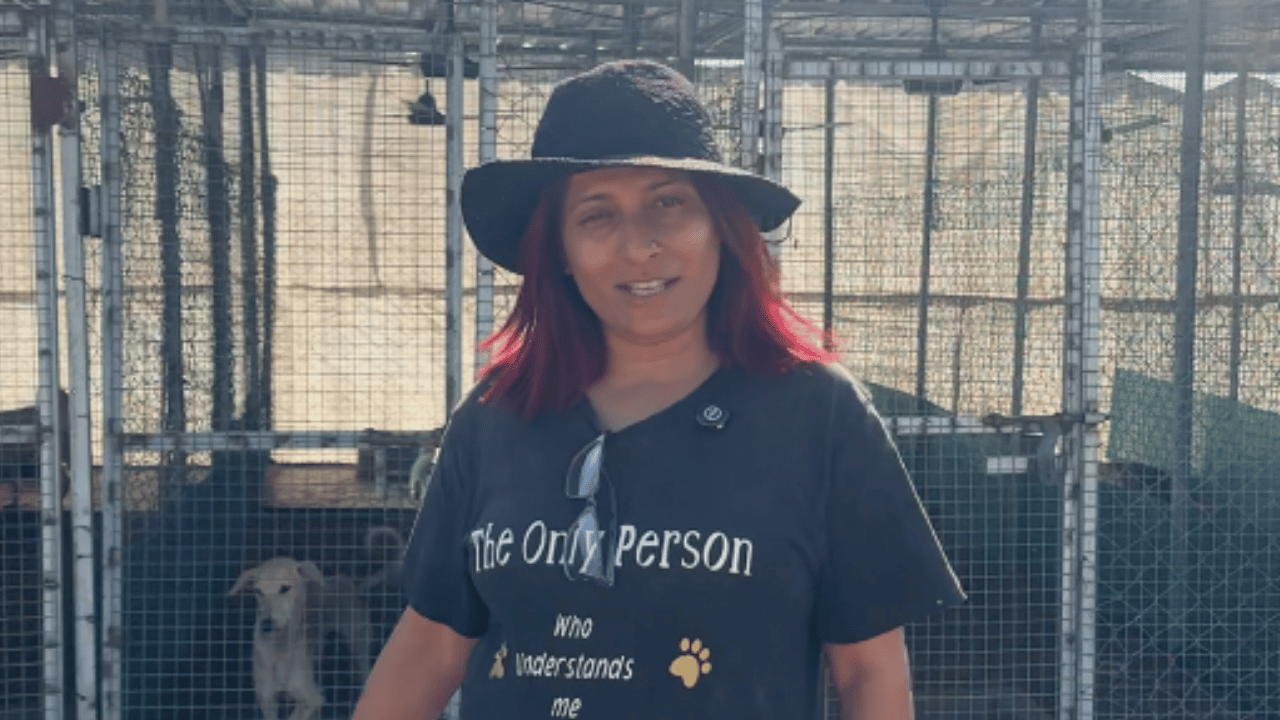
When Paws Universe Foundation organises or supports a vaccination activity, expenses may include vaccines, medical supplies, transport, trained handling, protective equipment and record-keeping. The requirements depend on the size and location of the planned drive.
Contributions towards rabies prevention help meet these practical costs. Programme updates should state the area covered, the period of activity and the number of animals vaccinated once the records have been checked.
Prevention Requires Continuity
Rabies prevention is not achieved through a single event or message. It depends on continued dog vaccination, access to prompt treatment for people after possible exposure, accurate records and coordination between public-health, veterinary and community teams.
For current medical guidance following a possible rabies exposure, consult a qualified healthcare professional and refer to the World Health Organization’s rabies guidance.