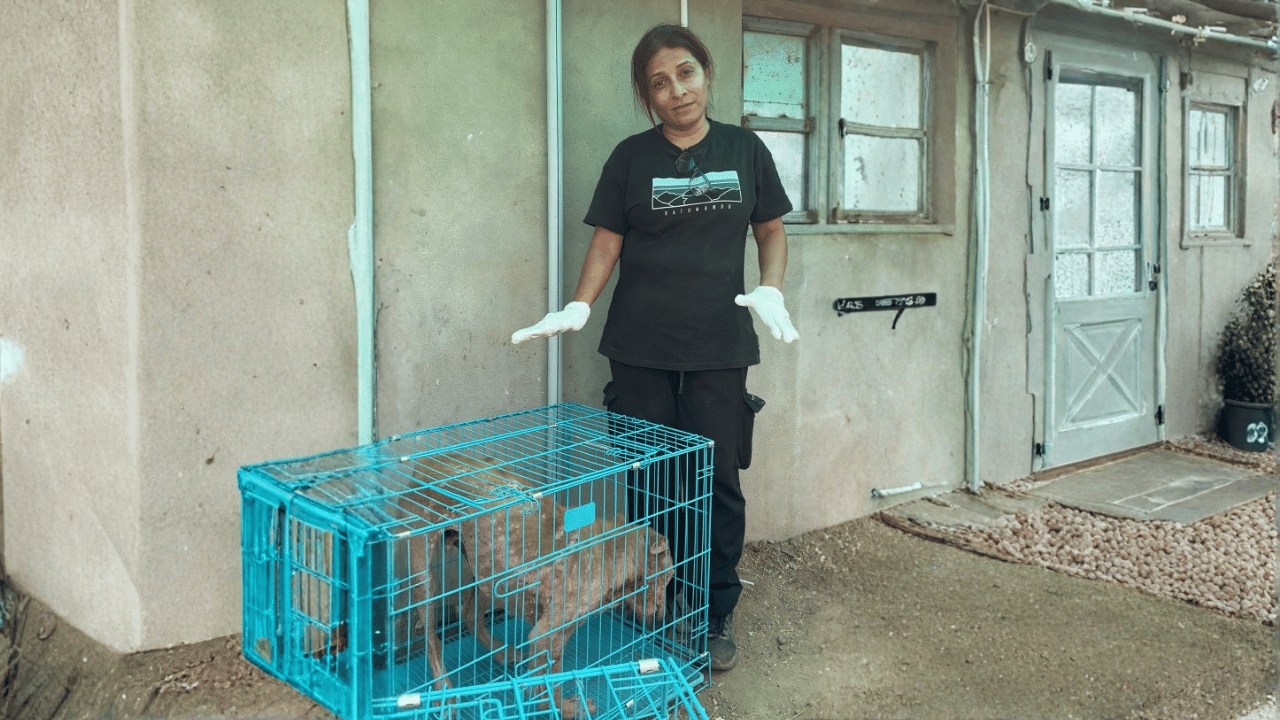
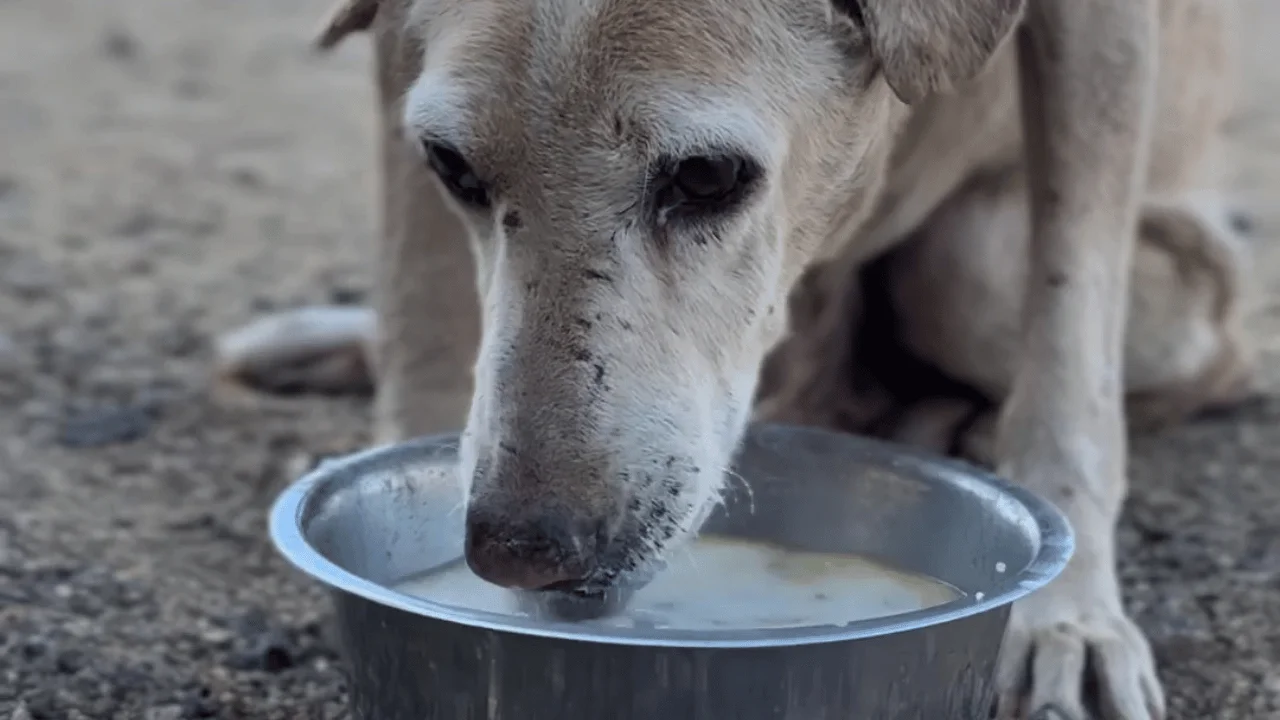
Not every rescued community dog needs a permanent place to live. Many animals can return to their familiar area after treatment and recovery. Some, however, are too old, seriously disabled or unable to manage safely without continued assistance. Simbaz Sanctuary provides long-term care for animals in these circumstances.
The decision to keep an animal at the sanctuary is not based on rescue alone. The team considers the animal’s medical condition, mobility, behaviour and ability to live safely after recovery. Where a return is possible, it remains an important part of the care plan. The sanctuary is for animals whose needs continue beyond treatment.
How Simbaz Sanctuary Began
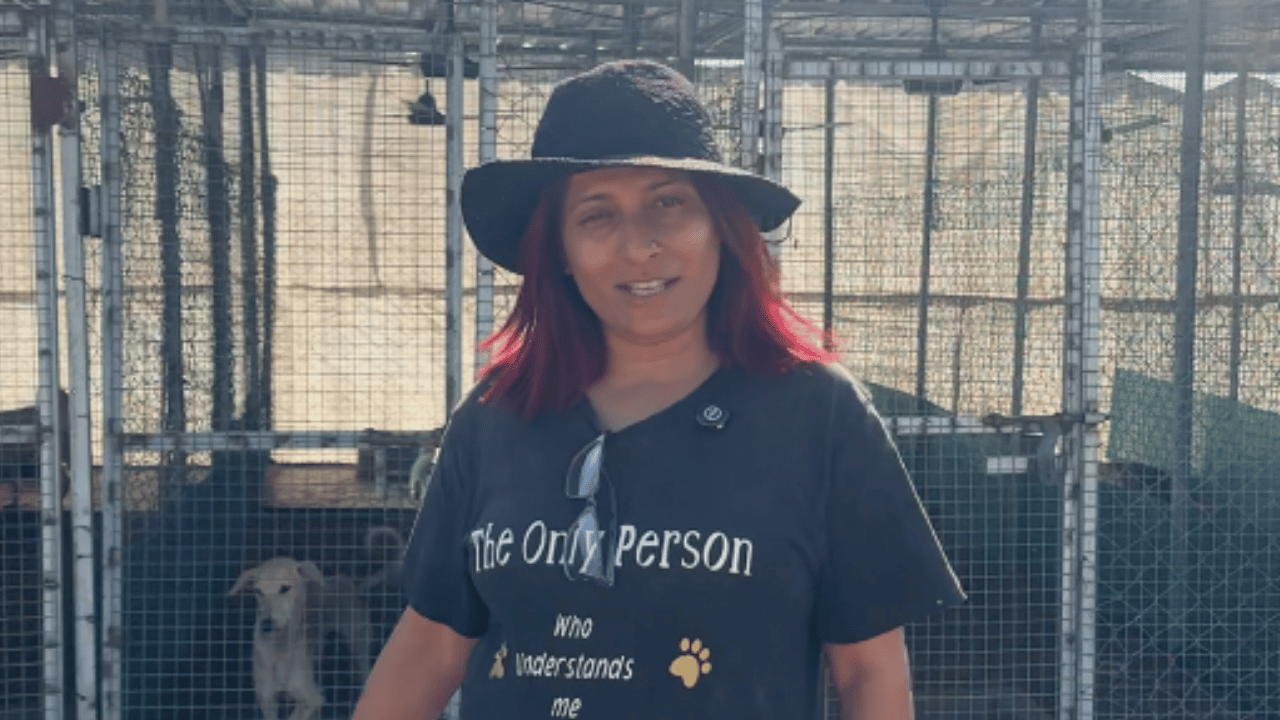
Simbaz Sanctuary is closely connected to Rachna’s relationship with Simba. After Simba’s passing, she began spending more time caring for community dogs. Feeding a small number of animals gradually brought her into contact with dogs who were injured, abandoned or unable to look after themselves.
Some recovered and returned to their local area. Others had lasting conditions and needed somewhere they could remain under regular supervision. As that need became clearer, the care she had begun providing developed into Simbaz Sanctuary.
The sanctuary was not created as a general holding place for every rescued animal. Its purpose is more specific: to provide continued care when release is not suitable and when an animal would otherwise be left without dependable support.
Daily Life at the Sanctuary
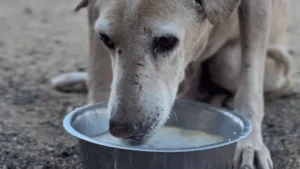
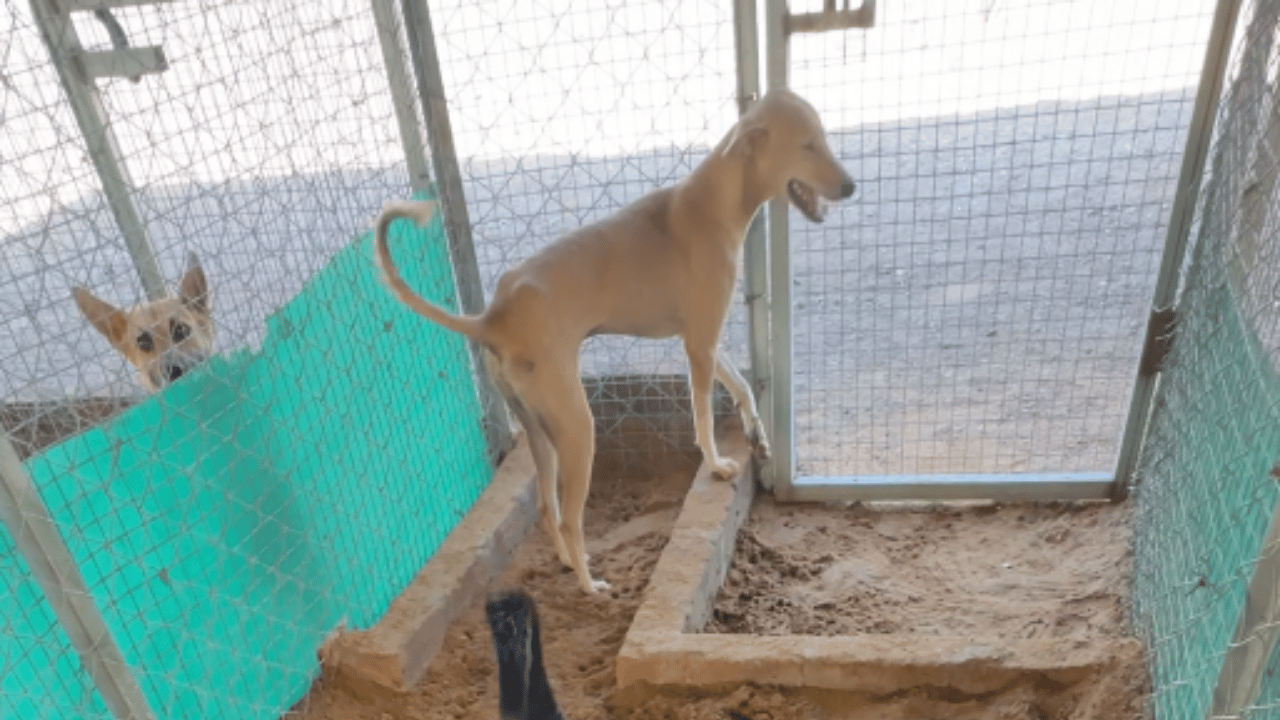
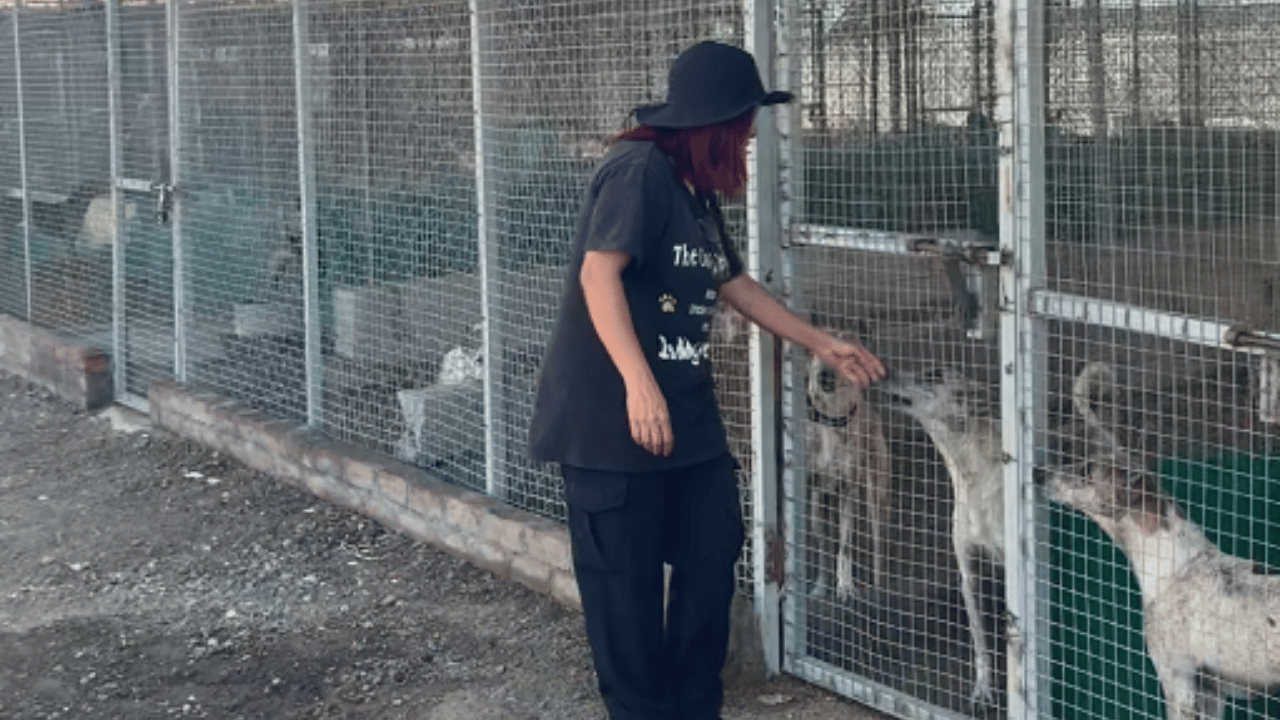
Sanctuary care is made up of ordinary responsibilities that must be carried out every day. Animals need suitable food, clean drinking water, hygienic living areas, bedding, exercise and regular observation. Their requirements vary with age, mobility, medical history and temperament.
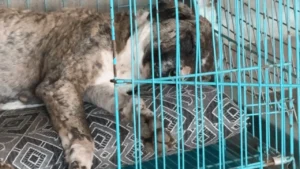
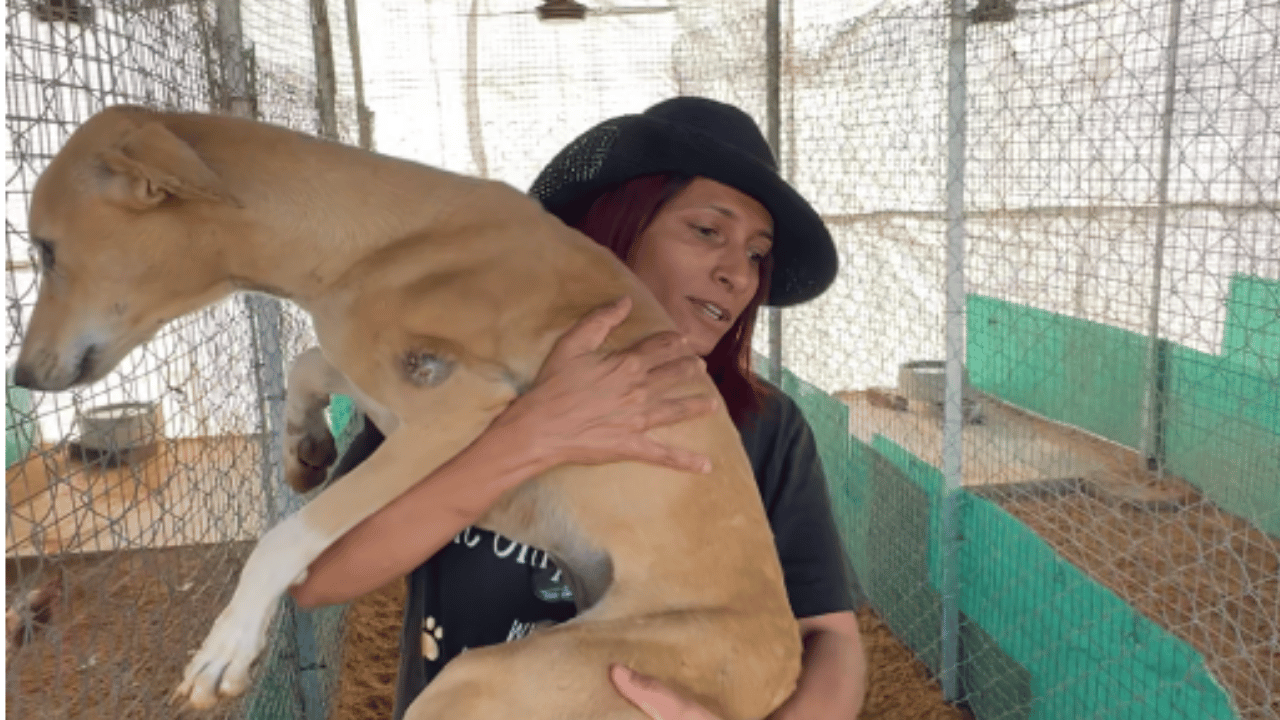
Older dogs may need softer food, help with movement or closer monitoring. Dogs recovering from injury may require restricted activity and a quiet place to rest. Animals who are nervous around people are given time and handled according to how comfortable they are. Care cannot follow one routine for every resident.
The caregivers also watch for changes in appetite, movement, wounds, skin condition and behaviour. Noticing a change early helps the team decide whether an animal needs a veterinary examination or an adjustment to its daily care.
Veterinary Care and Recovery
Animals living at Simbaz Sanctuary may need ongoing medical attention because of previous injuries, disability, age-related conditions or recurring illness. When clinical care is required, they are examined at Paws Universe Hospital.
Depending on the veterinary assessment, care may include diagnostic tests, dressings, medicines, surgery, physiotherapy or follow-up examinations. The sanctuary team then continues the prescribed care and monitors the animal during recovery.
The hospital and sanctuary have different roles. The hospital provides diagnosis and treatment. The sanctuary provides the daily environment, supervision and follow-up required after an animal leaves clinical care. Both are necessary for residents whose recovery or condition needs continued attention.
Care Without a Fixed End Date
Emergency treatment is usually connected to an immediate condition. Sanctuary care is different because there may be no fixed end date. Food, cleaning, medicines and supervision must continue month after month for as long as the animal remains under care.
This long-term responsibility also requires careful decisions about available space and the needs of existing residents. Accepting more animals than can be properly cared for would place every resident under pressure. Capacity, staffing and ongoing expenses therefore remain part of each decision.
Where an animal becomes well enough to return safely, that possibility can be reviewed. Where release remains unsuitable, the sanctuary continues to provide a stable place suited to the animal’s condition.
How Contributions Support Sanctuary Care
Contributions towards Simbaz Sanctuary help meet recurring expenses such as food, medicines, dressings, cleaning supplies, veterinary follow-ups and transport for treatment. They may also support adjustments required for animals with limited mobility or continuing medical needs.
Because the number and condition of residents can change, expenses do not remain identical every month. Support is used according to the needs being managed at the time and the care requirements of animals already living at the sanctuary.
A Continuing Responsibility
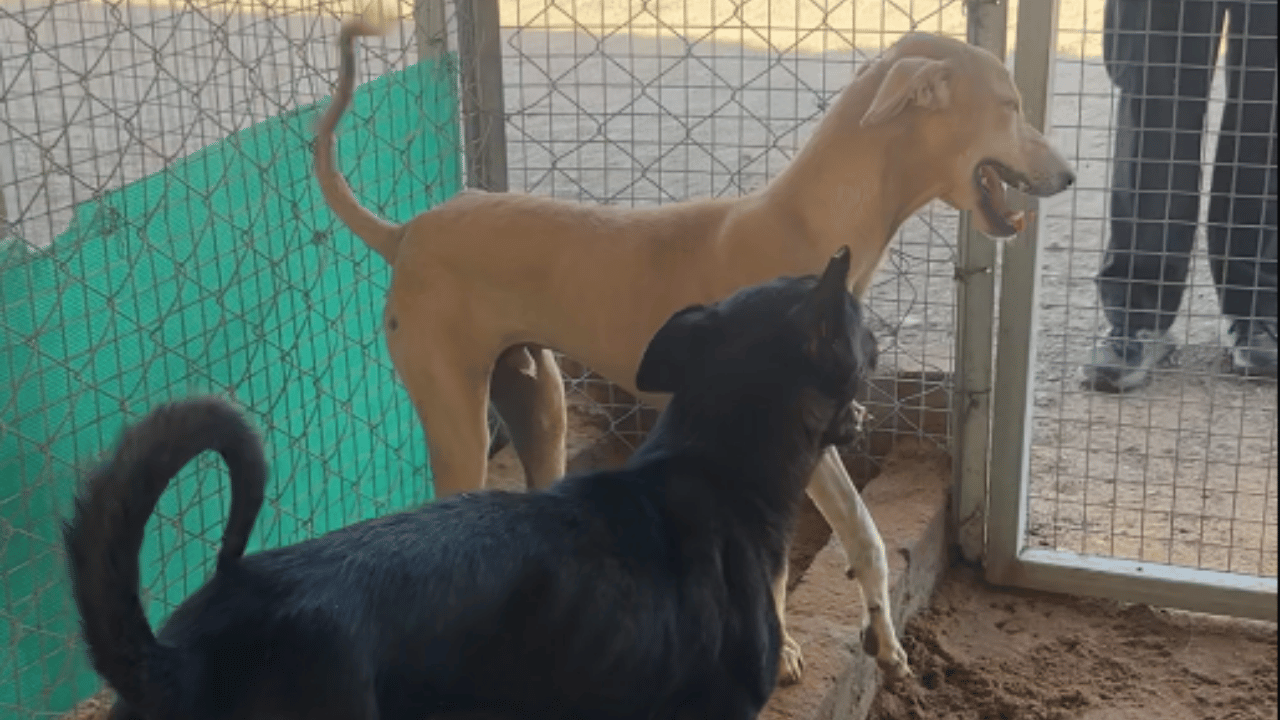
Simbaz Sanctuary exists for community dogs who cannot simply be treated and sent back. It provides the daily care, observation and medical follow-up that their condition requires.
Rachna’s care for community dogs began on a small scale and grew as she encountered animals with nowhere suitable to recover or remain. The sanctuary continues that responsibility today, one resident and one day of care at a time.