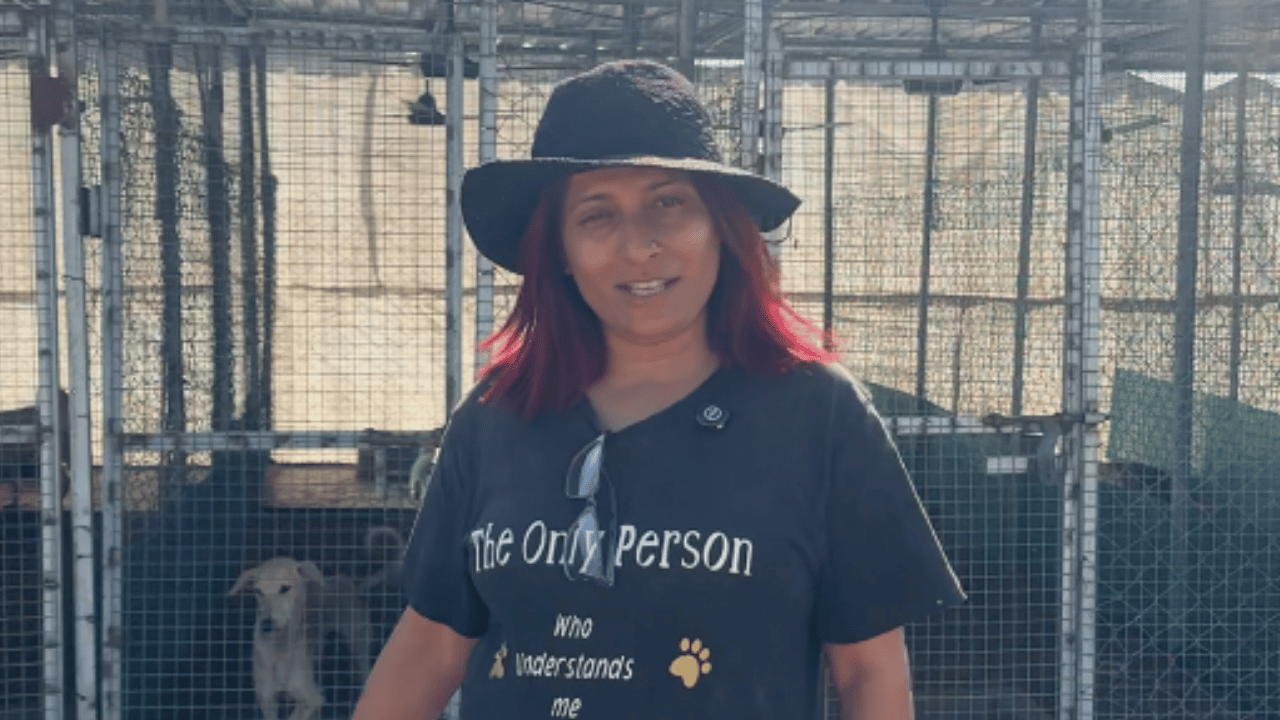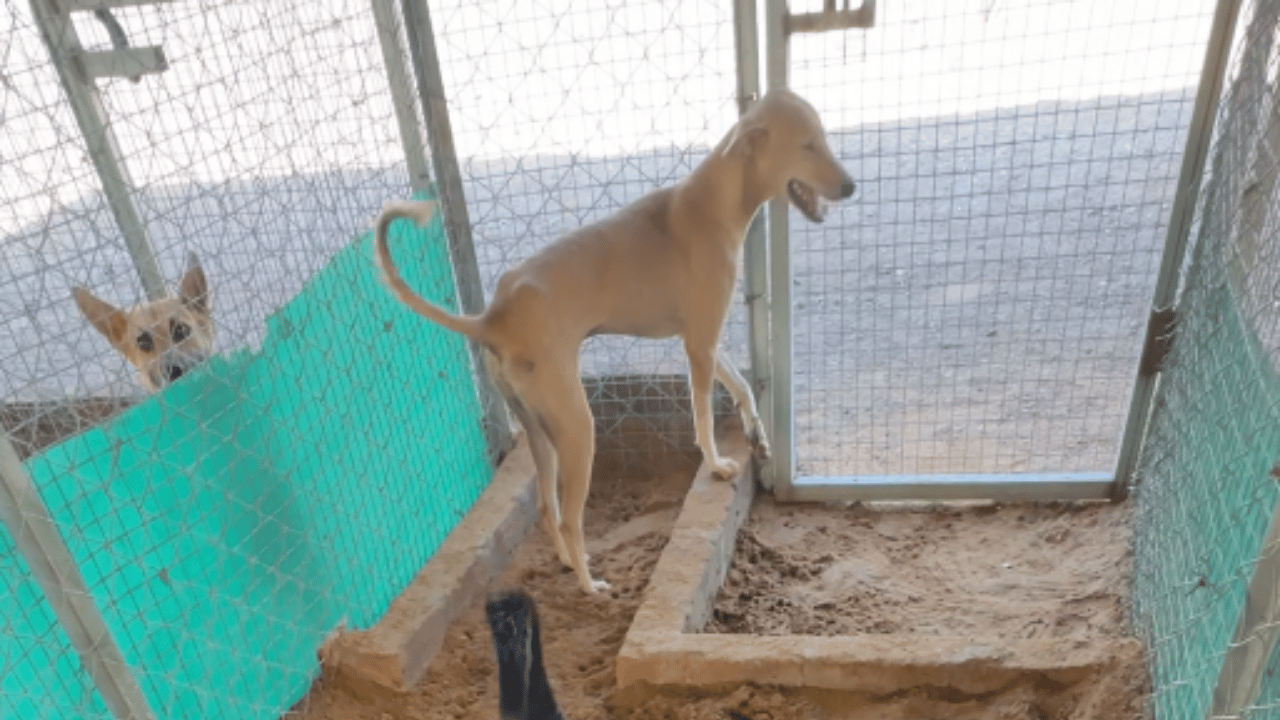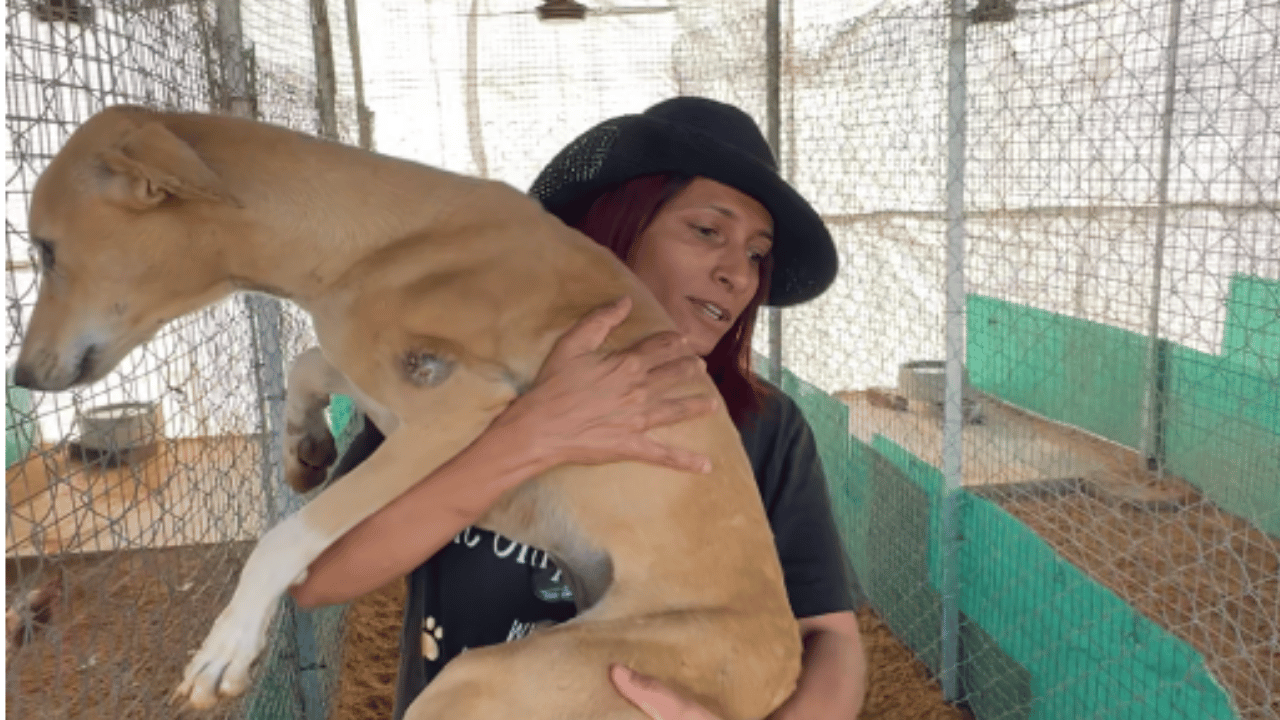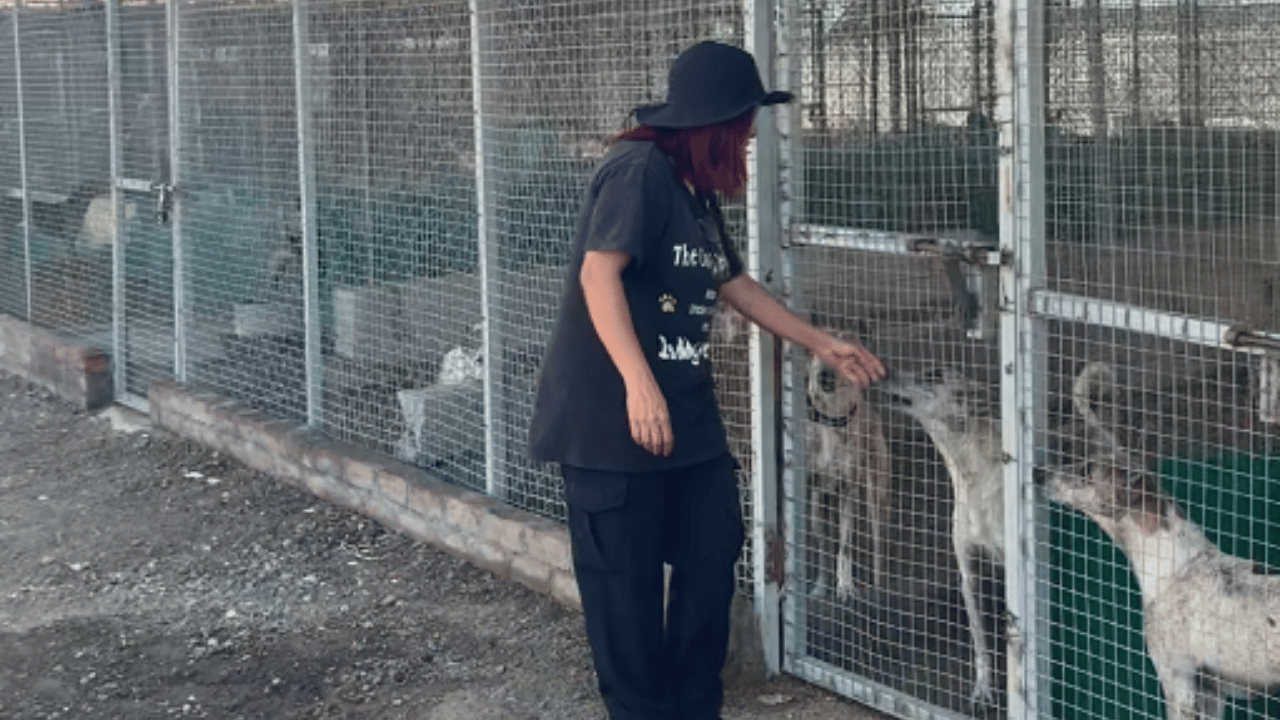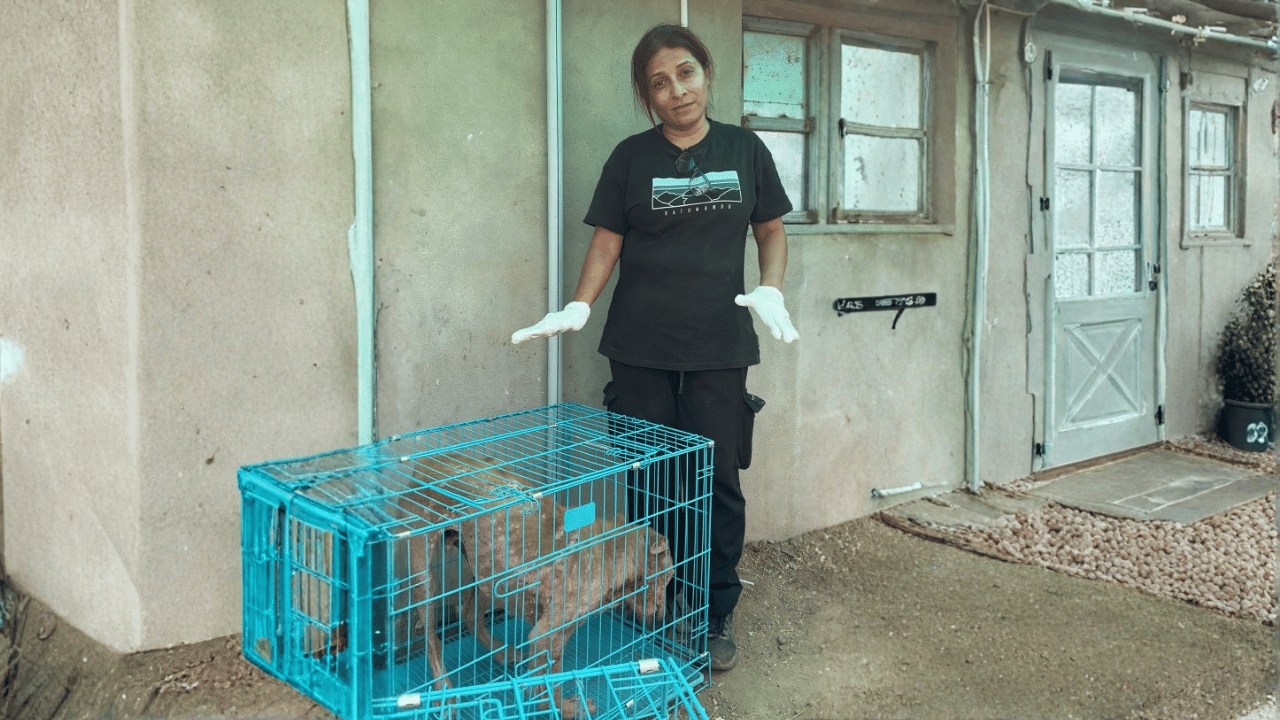
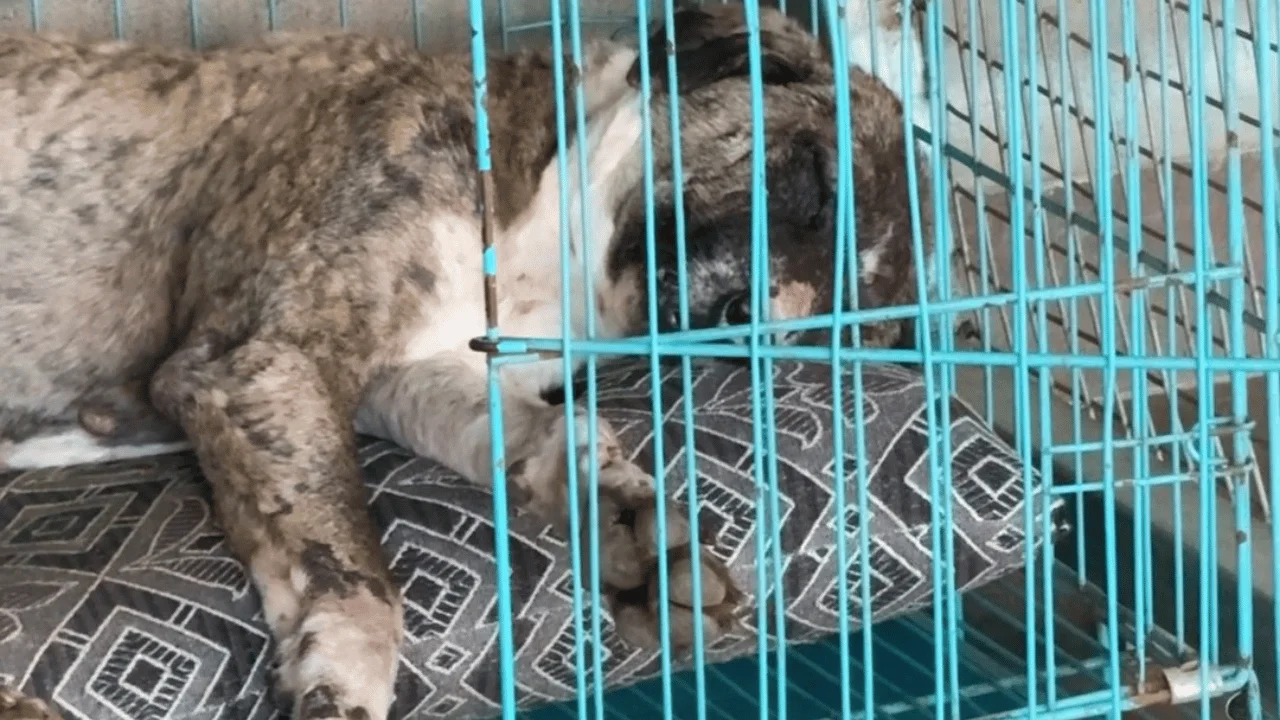
A rescue call is the beginning of an assessment, not a complete account of what has happened. The team first needs a clear location, a description of the animal’s condition and, where possible, recent photographs or a short video taken from a safe distance.
This information helps determine what kind of response may be required. An animal lying still may be injured, unwell, frightened or simply resting. A visible wound may need hospital care, while another situation may be managed safely at the location. The decision can only be made after the available details and the animal’s condition are assessed.
Making a Useful Rescue Report
A useful report includes the exact location, a nearby landmark, the time the animal was seen and a clear description of what the caller observed. The reporter should also confirm whether the animal is still present, able to move, bleeding, trapped or close to moving traffic.
The caller’s phone should remain reachable while the team is travelling. Community animals may move from the first reported spot, and local assistance can save time when the location is difficult to find.
People should avoid chasing, surrounding or trying to lift an injured animal without suitable experience. Pain and fear can cause even a familiar dog to react defensively. If the animal is in moving traffic, assistance should be attempted only when it is safe for both the animal and the people present.
Assessment at the Location
On arrival, the team observes the animal before deciding how to approach. Movement, breathing, visible injuries, alertness and behaviour can provide important information. The surrounding area also matters because crowds, vehicles and noise may make handling more difficult.
Some animals can be given basic assistance at the location. Others need to be moved for examination and treatment. Safe handling and transport are important because careless movement can worsen an injury or cause additional distress.
Rescue does not automatically mean hospital admission. The response depends on the animal’s actual condition. Where clinical care is unnecessary, the team may provide appropriate assistance and leave the animal in its familiar area.
Examination at the Hospital
When hospital care is required, the animal is taken to Paws Universe Hospital for examination. The veterinary team decides the next steps after assessing the case. Depending on the condition, this may involve wound cleaning, dressings, blood tests, imaging, medicines, surgery or observation.
The first report does not always reveal the full extent of an injury or illness. Diagnostic tests may be required before treatment can be planned. In other cases, the immediate requirement may be pain management, stabilisation or cleaning a wound before further decisions are made.
Treatment is recorded according to the information available for the case. Where a rescue is presented publicly for contributions, updates should be based on confirmed medical details rather than assumptions made at the time of rescue.
Recovery After Treatment
Recovery may continue after the immediate medical procedure is complete. Some animals need repeat dressings, prescribed medicines, physiotherapy, restricted movement or follow-up examinations. Appetite, mobility, wound condition and general behaviour are monitored during this period.
The length of recovery differs from case to case. A superficial injury may improve quickly, while a fracture, surgery or long-standing infection may require continued attention. It is not responsible to promise a recovery date before the veterinary team can assess progress.
Return to the Familiar Area
When a community animal has recovered and can manage safely, returning it to the familiar area is often the appropriate next step. This is where the animal knows the surroundings, food sources and other animals.
The return should take place only after the animal is medically ready. Where possible, local caregivers are informed so they can observe the animal and report any concern after release.
A successful rescue is not defined by keeping every animal permanently. For many community dogs, suitable treatment followed by a safe return is the intended outcome.
When Return Is Not Suitable
Some animals cannot return because of severe disability, age-related needs or a condition that requires continued supervision. In such cases, the team considers available foster support or care at Simbaz Sanctuary.
Sanctuary placement is a long-term responsibility and depends on the animal’s needs and available capacity. It should not be treated as the default outcome for every rescue.
What Contributions May Cover
Rescue and treatment expenses may include transport, diagnostic tests, medicines, dressings, surgery, hospital observation and follow-up care. The amount required depends on the condition and cannot be accurately known from a photograph or initial phone call.
Contributions to an emergency-care campaign help meet these case expenses as they arise. When support is requested for a specific animal, the appeal should be updated with available medical information, treatment progress and the current care status.
Responsible Rescue Requires Follow-Through
Reaching an animal is only one part of a rescue. Assessment, safe handling, veterinary decisions, recovery monitoring and the final return or continued-care plan all require coordination.
Members of the public can assist by reporting accurately, remaining available to guide the team and avoiding actions that may frighten or further injure the animal. Clear information at the beginning makes an appropriate response more likely.